Financial Guides.
Practical tools. Expert knowledge. Real value. Our resource centre brings together financial guides, checklists and insights from the pmwPlus team to help individuals, families and businesses navigate life's financial decisions with confidence.

Practical guides for every stage of business.
Business plan template
Plan for the future Template You need a business plan to outline your pathway when you start or grow your business. Use our free template to write your business plan. You’ll find extra guidance in this template to help you fill in each topic.
Business productivity checklist
Can you be more efficient? Checklist Building a productivity plan takes time, but a well-structured approach can help you streamline operations, improve efficiency, and maximize results. Use this checklist to identify key areas that impact your business and create a schedule to implement improvements. Small, consistent changes can lead to significant long-term gains.
Cashflow forecast template
Will you be able to pay your bills month by month? Template This template, helps you to make decisions by forecasting sales, estimating expenses, and predict cash flow in and out.
Charge out rate template
How much should you charge? Template Your Charge Out Rate Template helps you work out how much your business should charge customers, in order to cover your costs and reach your desired level of income. Enter your desired income, costs of labour and the number of hours your employees will work.
Creating cash reserves checklist
How can you create an emergency fund? Checklist Cash in the bank acts as a buffer and can help you better weather the ups and downs you may encounter in running your business. Reserve cash buys you more time if things go wrong, and it allows you to experiment and test new ideas without needing […]
Deciding to keep your business in the family or to sell up
Planning for the succession of a business is an important and sometimes overlooked part of a business plan. It’s an inevitable period in the lifetime of all successful businesses – so it’s best to weigh up the options early. Keeping your business in the family The most obvious progression is to keep your business in […]
Growth checklist
Are you ready to start growing your business? Checklist Use this checklist to assess your current business growth strategies and identify new opportunities for expansion. Each section outlines key actions that successful businesses take to strengthen customer relationships, attract new clients, expand into new markets, and improve profitability. Check off the strategies you’re already implementing […]
How to pass your business onto a successor
Putting a succession plan in place helps ensure the future stability of your business when you step aside or if unforeseen events happen. Succession plans should be made well in advance if they are to be executed properly, and legal battles are to be avoided. Further benefits of a succession plan include a smooth transfer […]
How to value a small business
If you’re buying or selling a small business, it’s critical to know what the business is worth. The challenge is that what you think a business is worth, and what the person on the other side of the fence thinks it is worth, are usually two different figures. In the end, the motivation for both […]
Profit increase template
How can you make more money? Template Your profit increase calculator helps you discover how much extra profit your business could make. It makes it easy to look at how minor improvements in your reach, conversion rate or repurchase rate can translate into increased profits.
Start-up checklist
Are you ready to start your business? Checklist Starting a business requires careful planning and preparation to improve your chances of success. This checklist breaks the start-up process into six key areas, helping you stay organized and focused. It covers everything from validating your business idea and financial feasibility to legal compliance, competitive positioning, and […]
Start-up costs template
How much will it cost to start-up your business? Template The start-up cost template can help you decide how much money you’ll need to have before you start up your new business.
Ten steps for a financially successful exit
Successfully exiting a business is a dream for many owners. Follow these ten steps and you’ll be in great shape to make your dream become a reality. Many entrepreneurs desire to build and sell a thriving business. A financially successful exit is certainly achievable, but it requires several years of hard work and planning. Many […]
Weighing up succession planning options
Planning for the succession of a business is an important and sometimes overlooked part of a business plan. It’s an inevitable period in the lifetime of all successful businesses – so it’s best to weigh up the options early. Keeping your business in the family The most obvious progression is to keep your business in […]

A resilience guide for small business owners
There are plenty of pressures that come with being a business owner. Keeping on top of mental and physical health, creating balance in your life and allowing yourself the opportunity for rest and downtime is necessary for you to continue to do your best work. We have some tips to keep you on your...

Achieve growth by buying another business
Successful business owners are those who are always looking for new ways to expand and grow their business, and there are some tried-and-true techniques for doing so. One of them is to buy another business – such as a competitor, or a supplier.

Alternatives to a business loan
Many businesses need to raise extra capital or funding at some stage in their growth.

Assessing a new growth market
Many successful businesses that grow are those that look for ways to expand into a new market. It’s important to weigh up the cost of entering a new market (especially if it’s an export market) with the potential returns. The easiest potential for growth is to take the successful business mod...

Assessing a new market for viability
Many successful businesses that grow look for ways to expand into a new market. It’s important to weigh up the cost of entering a new market (especially if it’s an export market) with the potential returns. The easiest potential for growth is to take the successful business model you have dev...

Asset finance guide
If your business requires expensive tools and machinery, you may find yourself in need of asset finance. Asset finance allows you to acquire or use assets without having to pay in full up front. It gives you the funding you need to purchase or lease assets you’ll need to operate your business w...

Automating new lead generation
By accessing the right automation tools for your business, you’ll be able to spread your small business content across multiple platforms as and when you need to. There are many tools that can improve your digital presence, simply by leveraging social media, email and web services.

Avoid running out of money
A business can survive for a short time without sales or profits, but not without cash. It is cash which pays the bills and allows trading to continue. If you are growing and extending credit to more customers, the need for cash is even greater.

Avoiding credit card fraud
Safeguarding your business against fraud is important, particularly if your business accepts credit cards. While credit card fraud may always be a concern, it is something you can protect yourself against to reduce your risk of losses.

Bootstrapping to start up
When you start your business, you’ll want to lessen costs any way you can. Every dollar you can save while starting up is one more dollar you won’t have to finance.

Budgeting for expansion
An increase in demand has to be sustainable to justify the possible additional costs for new equipment, more inventory and raw materials, work in progress and employees.

Building an online distribution channel
Online distribution frees you geographically. Where you might have been selling your product or service locally, opening an online distribution channel means you can sell it on a global scale, which is an effective way to grow your business and boost your brand.

Building and improving capacity
To meet the demands of increased growth, it’s likely that you’ll need to increase your capacity by either doing more with what you have, or adding in new skills, expertise and equipment.

Building and improving capacity
To meet the demands of increased growth, you’ll probably need to increase your capacity by either doing more with what you have, or investing in new skills, expertise, and equipment. We’ve got some tips to help you improve your capacity.

Building competitive advantage
A competitive advantage is what your business does better than its competitors. If you can cleverly promote your competitive advantage to potential customers, your business will have a greater chance of succeeding.

Building credibility and authenticity to compete
At the very start of a new business the first customers are often the hardest to get. Potential customers may be using a competitor and must be convinced to switch, or they are aware you’re a new business and don’t want to be the ‘first’ customer.

Buying a business – how much should you invest?
It’s easy for your heart to rule your head when you find a business you want to buy. To avoid heartbreak, and to ensure success, doing your due diligence on the business is essential. It’s important to establish its worth and whether the returns are going to be worth your time and money.

Calculating and reducing your cash burn-rate
If your business is under financial stress, there are actions you can take to lessen the impact while long-term you may need to rethink how your business operates. Once you know your timeframe to make changes you can plan what to do next.

Calculating the cost to start up
It’s often a good idea to determine how much money you’ll need to start your business, long before you intend to launch. Think of it as a reality check, as even if your business is the best idea ever, it’ll only succeed if you can find the funds to get going.

Calculating your break-even point
Before you start a business it’s important to work out if your idea will be worth the financial, personal and time risk. If you’re confident there’s a genuine demand for your potential product or service (and at the price you want), the next step is to work out how much you need to sell eac...

Cash flow improvement tool
Estimate your cash flow for the next 12 months and discover how small changes to five key variables will improve your business.

Cashflow forecasting
A cash flow forecast will help you work out the potential of the business to make a profit and identify when cash may be a little short. It’s an estimate of the amount of money you expect to flow in (sales) and any cash out (your monthly expenses), usually over a twelve-month period.

Check your business can scale
Scaling a business is where you can increase sales exponentially without having to add the same level of overhead (for example, sales double but costs either don’t increase, or only marginally).

Checklist to set up your business
It’s the dull part of starting a new business – the administrative tasks. Use this handy checklist to make sure your business is set up properly and compliant with relevant government regulations.

Choosing a business model
Deciding on a business model is one of the most important decisions you’ll need to make as a small business owner. It’s how your business will make money, and there are several different models to choose from (though you can have more than one at the same time). The trick is finding those tha...

Collaboration and partnering
Joining with other businesses to pursue common goals is growing in popularity as a smart way to increase capability, share resources, costs and risks. The internet, sub-contracting and being able to access talent from around the world has made this even easier.

Collecting debts effectively
Debt collection can be problematic for some businesses to face. Recovering the money owed by your customers who pay late, or not all, is a challenge that requires a systematic approach and careful judgment.

Competitor SWOT Analysis Template
A Competitor SWOT analysis is a great tool to find ways to stop competitors impacting negatively on your business.

Complete a cash flow template accurately
Whether you use an online tool, cash flow forecasting software, or a cash flow forecast template, the quality of your forecast depends on the quality of your inputs.

Cost reduction template
Lowering direct costs can dramatically increase your profit on each sale while eliminating unnecessary business overhead. This template outlines some things to consider for optimizing operational costs.

Create a smart promotion plan
It’s always reassuring when one of your promotional ideas succeeds. The budget spent returns new sales and those customers become loyal repeat advocates. The reverse of course can be frustrating, investing hard earnt cash into advertising your business with no obvious result.

Creating a cash reserve
If you’re failing to meet your cash commitments each month and eating away at your capital reserves, then it’s time to make some serious decisions in your business.

Creating Nondisclosure Agreements
Small business owners face unique challenges in navigating labor law compliance. Recent rulings by the National Labor Relations Board (NLRB) on nondisparagement and nondisclosure agreements (NDAs) have added a new layer of complexity. Here’s what you need to know and practical steps you can t...

Crowdfunding explained
Crowdfunding is when you raise capital from the ‘crowd’, or the general population. It’s usually facilitated by online platforms such as www.kickstarter.com and www.indiegogo.com (ask your industry networks or search online for what may match what you’re doing).

Cyber Security FAQ’s
A: It’s how to protect your business from malicious and accidental attacks on internet-connected networks, computers, mobile devices, software, and applications. It defends against attackers trying to access, destroy, or extort sensitive data, including customer information. Key cyber security ...

Dealing with a cash crisis
Dealing with a sudden cash flow shortfall can absorb your attention when you should be focused on other tasks.

Decide if a venture capitalist is right for your business
Venture capitalists (VCs) are companies that professionally manage a pool of funds to invest in a number of different companies.

Decrease the chance of running out of money
A business can survive for a short time without sales or profits. But your business needs cash to pay bills and to continue operating. Since cash flow issues can cripple a business, the more warning you have of peaks and troughs, the more time you have to deal with them.

Defend and justify your pricing
Often small businesses find themselves justifying their price to customers, and then being pressured to think “I’ll give a discount or match the competition to get the sale”. But if you’re confident in your pricing strategy you shouldn’t need to give away your margin. So what are the be...

Defending competitive advantage
A competitive advantage is what your business does better than anyone else. The compelling reason for people to do business with you, rather than the competition.

Determining your exit strategy
It’s never too early to start planning

Develop a pricing strategy
The prices you charge for your products or services can have a dramatic effect on sales and profits. Your pricing strategy also determines how customers view and respond to your product or service. That’s why it’s important to consider the different options when it comes to pricing, to make s...

Developing a unique selling proposition (USP)
As a business it’s useful to stand out so customers not only notice you, but they also select you over the immediate competition. One way to do this is by ensuring potential customers understand your ‘USP’ (what makes your product or service different and better).

Developing an early warning system
The sooner you know something needs fixing the earlier you can remedy the issue and the stronger your business will be.

Developing an early warning system
The sooner you know something needs fixing the earlier you can remedy the issue and the stronger your business will be.

Developing new products and services
Markets are dynamic and constantly evolving, no matter how excellent your current products or services. Therefore, it’s useful to regularly redevelop, replace, upgrade or update your products and services to continue growing your business. Here are some practical methods to uncover a potential ...

Developing new ways to do business online
Most of your customers will probably use the internet in some form to either research buying decisions or make a purchase. It’s also likely there is at least one competitor who is offering a new way of buying or trading which customers prefer.

DIY marketing tactics
A good marketing strategy doesn’t have to blow the budget. With all the available advice, tools and resources available online, you can create a DIY (Do It Yourself) marketing strategy that fits within your budget.

Do you have enough money to start your business?
Starting a business requires cash. Whether you need a little or a lot of money will depend on the type of business you’re getting into.

Driving online traffic to your website
When increasing traffic to your website, keep in mind that it’s generally better to drive ‘qualified traffic’, or potential customers, rather than just ‘traffic’ which could be anyone. It’s often better to have fewer visits from your target customers rather than millions of views from...

Driving success through future innovation
Thriving businesses share a common trait: the ability to adapt and evolve in response to changing circumstances. For small businesses, innovation isn’t just about groundbreaking technologies or massive transformations. It’s about staying attuned to customer needs and finding opportunities to ...

Due diligence when buying a business
If you’re looking at buying a business, finding out as much as you can (due diligence) is essential to establish whether the returns are going to generate the profit you need.

Easy and effective market research
Knowing your market and understanding your customers should be top of your Must Do list. Good market research will help you better understand what customers want to buy, and what they’re willing to pay. This will mean you’re in a better position to be their preferred choice.

Eight ways to build competitive advantage
A competitive advantage is what your business does better than others. The smarter you can be about developing and promoting your competitive advantage, the better placed your business will be to succeed. The most common competitive advantages are:

Email marketing to get qualified leads
There are a number of methods to increase online traffic to your website, but these are only effective if they become leads (a customer is happy to give you their contact details) and previous to this ‘qualified’ (they fit your segmentation target).

Examine your offshore competitors
It’s not easy to succeed in a foreign market without first thoroughly researching and understanding your likely competition.

Extending your cash burn rate
Calculating when you will run out of cash is the reverse of what you’d normally plan to do in business. The usual process is to break-even and then forecast expected profit.

Financial business resilience
Along with increasing your income, financial business resilience also involves managing your expenses, improving efficiencies, and making strategic financial decisions.

Finding hidden cash to start up your business
At times it can seem that every business that emerges has piles of cash to get started. Where do they get it all from? It’s as if they’ve found a hidden source of money that allows them to buy new equipment, open new stores, spend loads on advertising and hire dozens of people like a bunch of...

Finding new business verticals
If you’ve exhausted the growth opportunities in your existing market, or your existing market feels flat, finding a new market vertical may be the way forward.

Finding the right employee
Finding the right person for a job can be difficult, especially if you’ve never hired anyone before. However, with some preparation, you can make the recruitment process as straightforward as possible so that the best candidate is hired.

Finding the right successor for your business
Putting a succession plan in place helps ensure the future stability of your business when you step aside or if unforeseen events happen.

Finding ways to save money
It’s a part of everyday life for a business owner – finding ways to save money so you can spend it on activities that generate growth.

First steps to selling your business
It’s important to start organizing your business for sale as early as possible. If you plan ahead, you’ll be ready when the time comes to help the business through its transition and consider whether you need to sell by a certain date and what’s your minimum price.

Five fresh ideas for growing your business
If your growth has slowed or you find yourself looking for new opportunities, it may be time to spruce up your existing business plan.

Five key considerations in a crisis
Every business is unique, and the challenges it faces during a crisis can vary widely. That’s why it’s crucial to document the steps you’ve taken before reaching out to support organizations. By doing so, you’ll provide them with valuable context that will help them understand your situat...

Five questions to answer in a crisis
As every business is unique and faces different circumstances, documenting the actions you’ve taken before you contact support agencies will give better insights into how they may be able to help your business going forward.

Five steps if your business is operating at a loss
The first thing you need to identify is why you’re operating at a loss. It could be:

Five steps to improve your marketing
The first step is to identify your ideal customer and their buying triggers. Conduct market research (surveys, focus groups and online research) to answer these questions:

Five strategies to increase profit
Most businesses seek to increase their profit year to year. Here are five cumulative ways you can look to increase your bottom line.

Five tips to get started
Successful entrepreneurs embrace risk, but they are also grounded in reality. They understand that behind every great business idea is extensive research and sound planning. Here are some ways to start planning to get your business off the ground.

Five ways to understand the competition
You know the saying – keep your friends close, and your enemies closer. And the more you know about your competitors, the better you’ll get at beating them. Use these tips to stay on top of information about your competitors – even if they are located on the other side of the world.

Forming strategic alliances and joint ventures
You may have reached a point where you’ve decided to explore alternatives to exporting on your own. Forming a strategic alliance or joint venture with another business of similar size and market presence can often be mutually beneficial.

Four reality checks your business will succeed
Although the only real way to find out if your business idea will work is to actually start your business, there are a number of things you can do to help research your business idea before you take the leap.

Four signs your business is set to expand
Growing your business is one thing – but building it to scale is another by managing increased capacity (hopefully in response to user demand) and profit without adding heavy and costly infrastructure.

Four strategies to build business resilience
If your business is under extreme stress, then time can run short to develop long-term plans for recovery. If access to money is all you need and the core demand is still sound, then you’ve more options compared to a business which is failing to cover overheads and no improvement is in sight.

Four strategies to strengthen your start-up after launch
After the first few months of (we’d expect) frantic activity starting up, it’s useful to take a breath to assess what went right and what you need to tweak going forward. It’s also recommended to secure the initial success of your business by switching from ‘start-up’ to ‘existing bus...

Four systems to put in place to increase profits
Successful small business owners are those who are continually seeking ways to increase their net profit. For many small businesses, their initial first thought is to increase revenue.

Funding growth: friends, family and bootstrapping
Most businesses need to raise extra capital at some stage to fund the increase in necessary equipment, staff and resources required for business expansion and growth.

Gaining inspiration for new ideas
It’s great when you get that ‘light bulb’ moment and are inspired to create a new product or service. Unfortunately, inspiration doesn’t always strike when you need it to, such as when you’re thinking of ways to invigorate your business with a new idea, or flat out trying to run your bu...

Guide to closing your small business
As a business owner, you may eventually decide to close your business. Whether retiring, completing a specific project, or shifting focus due to declining demand, setting a closure date is key. This helps you finalize obligations and plan essential tasks.

How to form strategic alliances
Teaming up with another company to pursue common goals is a smart way to grow your company. It just makes sense: two heads are better than one.

How to protect your business idea
Starting a business begins with a great idea so it’s natural to worry about someone stealing it. But can an idea be protected?

How to reduce business costs
It’s inevitable that your business costs will increase as your business grows. But there are steps you can take to lower the amount of money you pay for everyday expenses like telecommunications, payment processing, payroll and electricity.

How to sell more to current customers
As a mature business you may be less interested in chasing new customers and more interested in earning additional money from your existing ones. It’s certainly easier to upsell extra products or services to your current customer base than to find new shoppers.

How to validate your new idea
You’ve probably heard the saying “innovation is the hallmark of a go-ahead business.” The most successful businesses are those that don’t rest on their laurels; they’re always looking for new ways to grow. Business growth is the key to increased profits and boosting brand awareness.

How to value goodwill when buying or selling a business
Goodwill is often a big part of a business’s overall value, and one of the hardest to calculate. Unlike tangible assets such as equipment which is easier to value, it’s not easy to put a price on the reputation you’ve built up with your customers and suppliers.

Identify what drives your business
Identifying and monitoring the key drivers of your business will help track what’s happening in your business and trigger red flags for when remedial action is needed. A whole range of internal and external factors affects the performance of every small business, so the secret is to focus on a ...

Identifying what to track to better predict ahead
Every business will have a series of signals that indicate business conditions are changing. It could be the number of new leads in your pipeline, foot traffic, web traffic, work in progress, contracts awarded, speed of your distribution channel, onboarding, yields or downtime. These business met...

Identity theft and reputational fraud
Fraud doesn’t always mean a direct financial loss. It could be identify theft or reputational damage from online activity you can’t control which damages your credibility.

Improve your cash flow
The aim of all small business owners should be to have more money coming in than going out. From shortening your cash cycles to managing debt, there are several methods for getting on top of your cash flow. And once you’ve got it firmly in hand, you’ll experience greater freedom and opportuni...

Improve your chances of getting a loan
Before you apply for business finance it’s important to have all the information at hand that the bank will need. The more prepared you are, the better your chances of success.

Improve your spending efficiency
Improving your bottom line isn’t just about increasing your revenue but also comes down to reducing outgoings where you can. Reducing direct costs can dramatically increase your profit on each sale while eliminating unnecessary business overhead. Here are some things to consider for reducing op...

Improving your profit margin
Increasing sales might make more profit for your business. You could open new locations or target new regions or spend time on selling more to your existing customers.

Increasing prices without losing sales
One of the best ways to get more cash coming into your business is to increase your prices. It’s a way to directly expand your profit margins, providing more cash flow to reinvest in growth opportunities, improve your operations, or fund other important business needs.

Keeping employees productive while working at home
With many businesses increasingly having employees choose to work from home, a remote workforce may become the new normal. There are several things you can do to make it easier, especially for those employees where remote working just isn’t a good fit, or they now have to use unfamiliar online ...

Keeping track of your finances
For business start-ups, the most important thing to remember when it comes to your business records is to document everything. From keeping receipts to processing the employee payroll, it all has to be written down or entered into a system and kept track of to determine tax to pay.

Key steps to increase your profit
Keep in mind that a profit increase doesn’t always have to focus on driving sales. Often improving a number of things a little better has more impact than making one large change.

Leasing or buying assets – the pros and cons
Whether you need to purchase a vehicle, machinery, or larger premises to expand your business and operate more effectively, there is at times a question to answer. Lease or buy?

Letting go and delegating control
There could be any number of reasons you’re leaving your business. You might be selling it, or you could be handing it over to family or key employees to run as you step down.

Liquidizing assets to raise cash quickly
If your business is facing financial pressure, converting assets into cash can help bridge the gap until your situation improves. During a cash flow crisis, acting quickly is crucial.

Low-cost marketing strategies
Effective marketing doesn’t need to cost a lot of money. Marketing results can be more about what you do rather than how much you spend.

Lower the risk of payment fraud
Research suggests that a significant number of businesses each year are victims of payment fraud, and that they’d suffered cash losses as a direct result.

Lowering your carbon footprint
A ‘carbon footprint’ of your business is a measurement of the total greenhouse gases your business produces. You need the same amount of minuses and pluses to get to carbon zero. On the face of it, it’s relatively simple:

Making your dollar go further
Whether you’re bootstrapping a start-up, being conscious of keeping your small business budget under control, even small improvements can help you reduce your working capital needs. Here are some ways to keep your business operating in the green without the need for further funding.

Manage your debt and get paid on time
One of the most important rules for a successful business is to swiftly collect money that’s owed to you – it should be coming in faster than you must pay it out. This means being able to deal effectively with customers who owe you money, because the last thing you want is a protracted debt c...

Managing a cash crunch
There are many reasons why small businesses experience sudden cash flow crunches.

Managing and mitigating the major risks of climate change on your business
Almost all industries are threatened by the effects of climate change, either directly or indirectly and most countries are working towards net zero carbon emissions by 2050, but in the meantime, it will probably get worse before it gets better.

Managing seasonal demand
If your business experiences fluctuations in sales depending on the seasons, buying cycles or holidays, find out how to increase sales during peaks and limit losses in the troughs.

Market research tips for busy business owners
Market research doesn’t need to be expensive or time consuming – there are plenty of ways to conduct good research without breaking the bank.

Marketing on a shoestring checklist
If the marketing budget’s looking tight but you need some big results, work your way through our checklist to help you create an action plan. We’ve got some great ideas that will help that precious cash stretch.

Maximize the value of your business before selling
Forward planning and preparation, ideally a few years in advance, will increase your chance of getting the very best price for your business.

Maximize the value of your business before selling
Forward planning and preparation, ideally a few years in advance, will increase your chance of getting the very best price for your business.

Organizing your business for sale
It’s best to start planning for this as early as possible. Business owners often think about selling during a downward trend though the best time to sell is when your business is in good shape. If you plan ahead, you’ll be ready when the time comes.

Outsourcing to build capability
Outsourcing is the contracting out of a business function to an external provider, rather than doing it yourself. Businesses of every size outsource certain functions. You don’t need to own a bank to have a bank account or run a cell network to make a call. A rapidly growing business can also u...

Planning ahead in a year of uncertainty
When you’re running a business, it can be tough dealing with unforeseen circumstances, and we’ve had our fair share recently, from pandemics to elections to social unrest and a fast-changing business landscape.

Planning towards recovery
While it may seem overwhelming to think about the future during times of economic uncertainty, it’s still important to consider your future plans. If your business has suffered a reverse in fortune and needs to recover to survive, though there are no silver bullets, you can take some positive a...

Preparing for due diligence by a prospective purchaser
If you’re planning to put your business on the market, getting it ready for sale beforehand is crucial to avoid scrambling to put things in order, when potential buyers are actually knocking on the door.

Preparing your business for outside investment
If you’re looking for additional capital from outside investors, the better you can position your business to their needs and what they’re looking for, the better your chance of success.

Preparing your business for sale
It’s important to start preparing your business for sale as early as possible. Business owners often think about selling during a downward trend though the best time to sell is when your business is in good shape. If you plan ahead, you’ll be ready when the time comes.

Pricing and costing accurately
The price you set for your products or service should be high enough for you to make a profit, but realistic enough to encourage people to buy. It’s not as simple as adding a margin to your costs, or charging what the competition charges, as it may not be enough to cover your overhead.

Profiling customers to target your marketing
Easily the most important first step in establishing any type of business is to define your customers so that you have the information you need to attract the right audience. Understanding your customers and what makes them tick is the key to any successful business.

Protect your cash flow
Cash flow is the lifeblood of your business, as the faster money comes in and the more accurately you can plan, the easier it is to meet your commitments, invest in growth, and avoid financial stress.

Protecting your business from theft and fraud
There are a number of risks that you’ll face in business – from employee theft to a competitor using your intellectual property. It’s your responsibility to safeguard your business from anything that may impact your survival and growth.

Protecting your competitive advantage
If you’ve spent time and money developing products, services, prices, channels or a way of doing business that gives you an advantage over your nearest rivals, it makes sense to keep these unique and exclusive to your business for as long as possible.

Protecting your intellectual property
Anything you create or build has the potential to be copied by someone else, and depending on how mission critical the idea is, you may want to protect it legally.

Raising capital for your business
Before you go down the path of seeking capital from outside your business, identify any other ways of raising capital. For example, do you have any savings (either in the business or you personally) that you could use? If you have unused assets in the business (machinery that’s not used very of...

Raising cash quickly in a crisis
When your business is under financial pressure, you could have assets to convert into cash (liquidated/sold) to bridge the gap until the business recovers.

Reducing your overheads
If you’ve been reviewing your business’s financial position and are looking for ways to improve your cash flow, one option is to see if you can lower your expenses without impacting on service, delivery or quality.

Researching the viability of your new idea
Checking your new idea is viable is part of your market research. You’re probably doing this already by talking to friends and family. But it’s usually better if you collect research from the market, rather than conversations from people you know (who may tell you what you want to hear).

Resillience Checklist
This checklist outlines six essential steps to strengthen your business, overcome challenges, and set the foundation for future growth.

Revisiting your marketing strategy
If you’ve been in business for some time, it’s useful to know the money you’re spending on advertising and promotion is still bringing the results you expected.
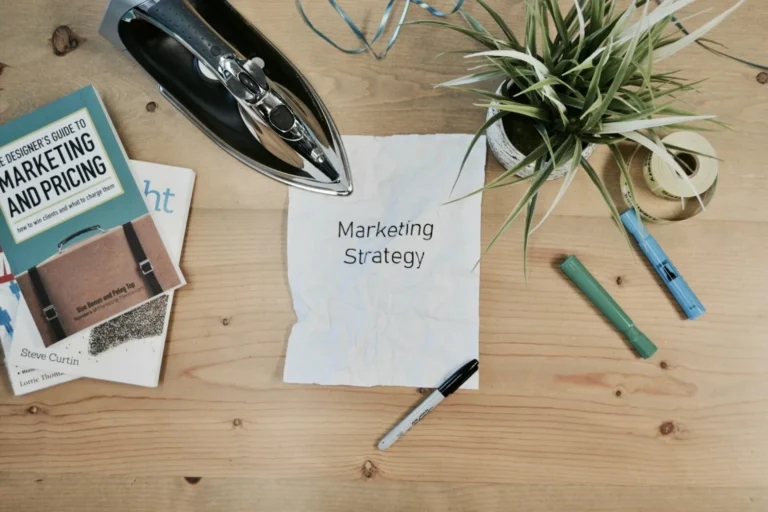
Revisiting your marketing strategy
If you’ve been in business for some time, it’s useful to know that the money you’re spending on advertising and promotion is still bringing the results you expected.

Selling your business to your employees
Selling your business to your partners, management team or employees can be an attractive option to consider. Current employees know the business and have an interest in seeing it prosper. If you can sell it to a trusted employee, they’re more likely to maintain the existing company culture and...

SEO tips to improve your ranking
Search Engine Optimization (SEO) will help your website bubble to the top of the internet search engines when prospective customers are online. It’s a process to help configure your website so that it’s attractive to search engines, so when people type in particular keywords for their search,...

Setting up cash flow warning triggers
Every business will have a particular way of tracking and measuring how their business is performing. If you can identify when key indicators deteriorate to a level that causes concern, you can take early action. Find out your cash flow warning triggers.

Six steps to better cash flow
Your business needs money to survive, so paying attention to techniques you can employ to improve cash flow is critical to your overall success.

Six tips to stay afloat in a crisis
If you find your business is in a cash crisis, the first question to ask yourself is ‘how bad is the situation’? If you removed the immediate problem would the pressure disappear and does the business have a real long-term future?

Sources of small business funding
Once you have determined how much funding you will require to start your business, decide how you will raise the capital. Choosing the right source depends on what you intend to use the money for, how much you need, what the alternatives are and matching the source of the funds for the use.

Start-up FAQ’s
No. You don’t need to formally register as a company to start a business. There are three main business structures to choose from when starting. A sole trader, where you run the business under your own name (and tax number). A partnership where two or more people share ownership, though you rep...

Strategies to increase production capability
Watching your business grow is exciting. But to meet the demands of increased growth, it’s likely that at some time you’ll need to increase your production capacity. It might mean taking on more staff, updating your equipment, or expanding your facilities, which can involve an outlay of cash,...

Structuring an earn-out
An earn-out is a pricing structure when selling a business, where the seller must ‘earn’ part of the purchase price, based on how well the business performs after the sale. You’ll ‘earn’ a percentage of the agreed price over a specified time frame.

Sure-fire marketing plan in eight easy steps
If you’re serious about getting the best value you can for your marketing budget, you’ll need to develop a marketing plan. Below we outline eight simple steps for making your marketing efforts more effective.

Tactics to increase profit
Making more profit can be the culmination of doing a number of things better in your business (internal efficiencies and savings), or one big quantum leap (new product development, partnerships, new customers or a new market).

Ten ways to retain great employees
When you think of key assets, most people immediately think of plant, machinery or vehicles. Yet the truth is, while your plant and machinery allow you to operate, it’s your staff who can most influence your progress.

The difference between cash flow and profit
Cash coming into your business and the actual profit you make are two very different things, and almost always never total up as identical amounts.

The seven most important things buyers want
When preparing to sell your business, it’s useful to consider the buyer’s point of view. They usually prefer low risk with high reward when they consider investing in a small business, and they look for good cash flow and solid systems with the potential for further growth.

Three business strategies in a crisis
If your business is facing a crisis and you’re not sure what to do next, there are three strategies you can consider.

Tips for generating a cash surplus
In a new start-up, a cash surplus will give you breathing space if sales are not as high as you hoped, or expenses are higher than you thought.

Tracking the flow of money
If you’re new to business, it can be common to lose track of your profits then arrive at the end of the financial year with nothing left to pay your taxes.

Trading in a rising interest rate environment
Although the impact of rising interest rates varies by business, it’s usually preferable for most small businesses to have low interest rates. It’s cheaper to borrow money to grow, or at least with stable interest rates, you can plan for and repay whatever loan you committed to.

Uncovering hidden dangers when buying another business
One of the most effective ways to grow your business is to buy another business. It’s also less risky that starting one from scratch. But that doesn’t mean that it’s not without certain risks and challenges – they do exist. The trick is to look for the less obvious, or even hidden, danger...

Understand your key financial documents
Your balance sheet and profit and loss statement are two key financial documents as they help uncover what is going right and what can be improved in your business.

Understanding and improving working capital
When it comes to running a thriving business, understanding and effectively managing your working capital is crucial. Essentially, working capital is the cash readily available for the day-to-day running of operations. The more protracted the business cycle, the higher the working capital require...

Understanding financial ratios
Financial ratios are calculations that relate one item in your financial statements to another. They can be valuable tools for assessing your business’s financial well-being.

Unlocking the cash in your business
If your business is short of cash, the money you need might already be there locked up in stock, assets or your debtors’ book. Take a close look at these three areas to free up funds from within your business.

Using social media to grow your business
Social media should be part of your marketing mix as it can be a cheap, effective and easy-to-use marketing channel.

Value your business accurately before selling
No matter what stage your business is in, it’s important to have a plan in place for exiting. You never know when a great offer might occur, or something might happen to prevent you from continuing on with your business. One of the most important things to get right as part of your exit strateg...

Ways to identify new markets and customers
If you want to grow your business, you’ll need a strategic plan – which should include how you’ll find new customers and get your products or services into new markets.

What to put in a confidentiality agreement when selling your business
When you decide to sell your business, you’ll need to provide enough information for a potential buyer to make a decision. Some of this will be sensitive information about your sales, profit, customers, business processes and know how. Potential buyers will want to see this information but as t...

What to put in a confidentiality agreement when selling your business
When you decide to sell your business, you’ll need to provide enough information for a potential buyer to make a decision, without too much sensitive information about sales, profit, customers, business processes and know how. Potential buyers will want to see this information but as the busine...

What you should know about angel investors
Angel investors are usually successful entrepreneurs, retired business owners or corporate executives in search of investment opportunities with promising businesses. They’re looking for an investment they can get a return on their money, but often also contribute to an industry, region, town o...

When to hire your first (or next) employee
The decision to hire your first employee is a large leap (usually forward), not only doubling your workforce, but also freeing you up to build the business. Hiring someone with different skills also helps build your capability.

Why cash flow and profit differ
The money flowing into your business and the profit you generate might seem like they should align perfectly, but in reality, they often tell very different stories.

Why separate business and personal accounts
From day one, business owners should have a separate bank account in which to deposit their income and pay their business expenses as it’s easier, faster and more accurate to claim business expenses.

Why you should consider contractors before you hire a new employee
There are two main reasons why you’d contract people to work for you, rather than having employees. First you may have a new project that is a fixed term. The work may cease, and then you’re stuck trying to keep your new employees busy. If you’d hired a contractor, you could just end their ...

Working out an effective marketing budget
How much to spend on marketing is a question many small businesses find hard to answer.

Working with cash flows and budgets
No business can know exactly what the future holds, but budgeting and cash flow forecasting can reduce the level of uncertainty, helping you anticipate problems, learn from the past and improve your ability to control the business. Cash flow forecasts and budgets provide two complementary and rea...

Write a great business plan
A business plan is an essential tool for guiding your business and securing investment, but it should be a practical document, not a novel. The key is to keep it concise and to the point while covering the essential information that highlights your vision, strategy, and goals.
Prefer to just ask us?
A quick conversation often beats reading ten articles. Call us or send a message and we'll point you to the right answer.